Henry Thomas, Music the Universal Language

About “Magic” Henry Thomas

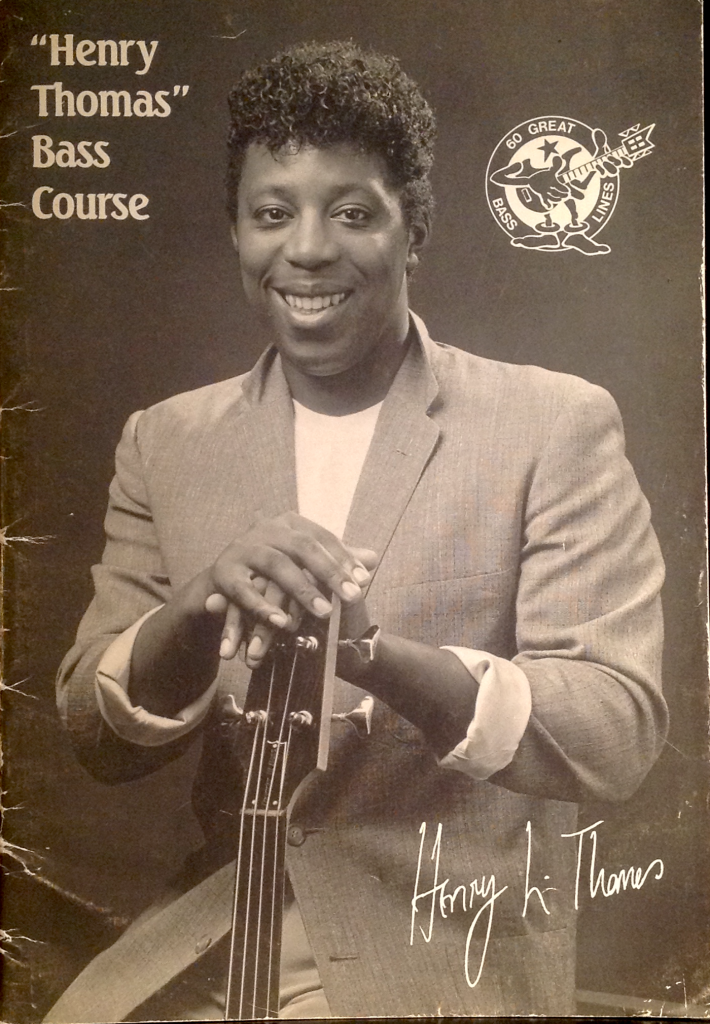
Henry Thomas is a musician who plays electric, fretless, double bass, guitar and piano based in London who has been active on the music scene since the early

Eighties. He started off as a classical viola player in the Wolverhampton and Birmingham Youth Orchestra before embarking on a teacher-training course at Trent Park, Middlesex Polytechnic Cockfosters, studying Music and Education Psychology.

Whilst playing in student bands and attending all the union bar concerts he discovered a passion for Folk, Rock, Soul and Jazz creating the foundation which allowed him to begin playing  in west-end shows, recording sessions and touring live with established artists and play with a band soon after leaving college.

Eventually this  led to a music program on the BBC called Rockschool which he  co-presented with Deirdre Cartwright on guitar and Geoff Nichols on drums about playing in a band.

The program is still popular and Henry remains active as an all round musician and record producer on the music scene.

Henry, you are not new to Jammin Player are you?

No. I wrote the music and did the tracks for some of the music in the player. It was a lot of fun recording it. Plus the transcriptions for the music and the music notes.

How did you get interested in being a musician?

With a 5 minute walk from my house was a Church of England, Holy Trinity and I joined as a choir boy. I was singing Bach chorals & Elgar. Eventually I started earning a little bit pocket money singing at weddings and similar events on weekends and on school holidays. Mostly traditional hymn repertoire. But around us were the music clubs. The radio was playing pop and Beatle songs. I was very open to every type of music. So I would sing a bit of whatever popped into my head. It seemed normal to me to enjoy everything from heavy rock to Caribbean to religious. I was absorbing all of that as a kid. I dreamt to play with a band.

How important was a having a dedicated music teacher to you?

Very. Although the quality is persistence. I wanted to play the violin and the music teacher Mr Powell asked me what my music score was. I said half. He said not good enough and maybe I wasn’t musical.

But I knew better.

I asked every few weeks and I practiced. I was playing the viola my mum bought me. My two friends were the same. So I support from them.

Lessons alone doesn’t mean you are guaranteed to do well. Many give up.

I had music class and they were 30 of us in that class. It was a deprived area and a small school covering 6-11 primary. But the music class was good.

We had really committed teachers and a good pass rate for grammar schools. Half the kids went on to grammar school. 2,000 streams for one year with time tables and uniforms.

I went on into one with my 2 best friends and it was there we ended up in Mr Powell’s music class.
If some thing is important and you put a lot into it you can eventually triumph.

Many give up too early. They assume they are not talented enough. We practiced a lot and when we eventually got in to Mr Powells group we caught up with the older players within a year. We became the youngest lead players.

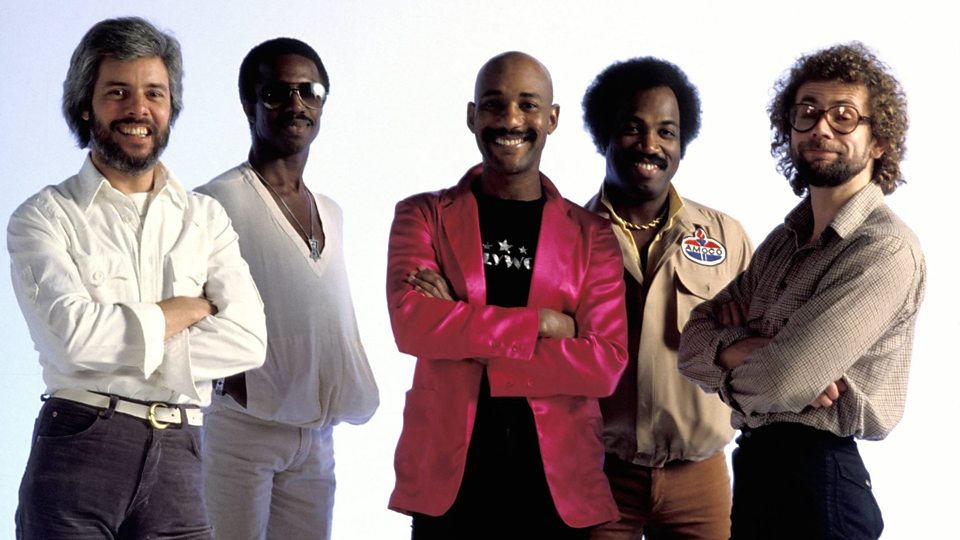
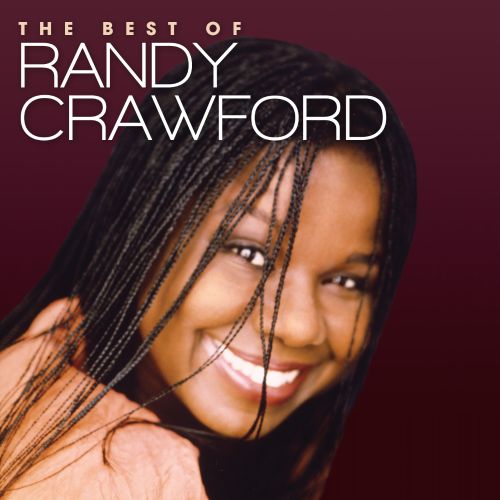
        A selection of the artists Henry has worked with.
Was there a turning point when you moved from classical to rock?

At about 13 or 14 I asked my mum for an acoustic guitar. My two friends and I started playing Beatles songs. Mr Powell let us use the music room and gave us carte blanche to play what we liked even though it went against the agenda.

We were in this unbelievably academic school playing unacademic music. The teachers didn’t get a lot of it. It wasn’t what they were interested in but they let us use the room and play it anyway.

But it was hugely popular. We even got a couple gigs. Nothing serious but it was cool. It was a challenge to get good grades and not get too distracted by the music but I got an unconditional offer to Leeds music college. I got a degree in music with Middlesex University in Trent Park.

The first language and the first music of man

Henry gets excited talking about music. He believes that man kind used music first to communicate and then vocalisations became more about distinct sounds. This is not without some some scientific theory as well. A lot of languages have a ‘sing song’ quality to them. The tone of some ones voice gives clues to mood often overshadowing the words and rendering them meaningless.

Henry, “your voice is your instrument, everyone can sing”. I tell him about my experience singing for Nile Rogers and no I cannot sing but I was asked and there were tickets to see the Police in concert so I sang. Nile said nothing after and I never asked. Thought I would be better off not knowing the answer.

Henry. “its also about song choice and practicing to get it right. But there is a tone in everyone’s voice and a way that certain words have an inflection in them. Whether what the person says ends on a high or a low note creates meaning. There are notes and a range in people’s voices. Monotone voices are the least pleasant to listen to.” There are benefits to play with a band.

The dynamics, the pitch happens without fail. Music is pre-language and like bird song. If you play a song even if you don’t listen to the words you can still work out what kind of song it is. Music can be understood by anyone. It is universal.

The first language and the first music of man

Henry gets excited talking about music. He believes that man kind used music first to communicate and then vocalisations became more about distinct sounds. This is not without some some scientific theory as well. A lot of languages have a ‘sing song’ quality to them. The tone of some ones voice gives clues to mood often overshadowing the words and rendering them meaningless.

Your voice is your instrument, everyone can sing.

I tell him about my experience singing for Nile Rogers and no I cannot sing but I was asked and there were tickets to see the Police in concert so I sang. Nile said nothing after and I never asked. Thought I would be better off not knowing the answer.

Its also about song choice and practicing to get it right. But there is a tone in everyone’s voice and a way that certain words have an inflection in them. Whether what the person says ends on a high or a low note creates meaning. There are notes and a range in people’s voices. Monotone voices are the least pleasant to listen to.

What tips would you advise when people are practising?

A few words of advice on improving your instrumental playing to play with a band.

Copy the things you hear from your favourite musicians and when you think you’ve got it right, record yourself playing those parts with a click track.

Listen back to the performance carefully with no distractions,

  1. Are you in time?
  2. Are the notes clearly articulated?
  3. Do you have a good sound?

Once you have perfected the part, play it in every key and position all over the instrument.

You have played in lots of bands and worked a lot as a session musician showing up to record on short notice and jam. This for a lot of musicians would seem impossible.

The recording studio is not the place to find out you cannot play the piece from start to finish without any mistakes. Every flaw gets amplified. Its expensive. Back in the day companies used let artists have a lot of time and they were used to ‘refine the music’ and even some songs were written in the studio. Execs would spend money on 10 artists for every one hit they expected to get. Now that doesn’t happen it has to be tight.

When you play with a band don’t just focus on yourself, try to listen to the other players as well. It’s how it all fits together that determines wether the music sounds good or not.

  1. Are you all meshing together nicely?
  2. Can the singer really sit comfortably on top of the music with freedom?
  3. Be prepared to change or simplify your idea if things are not working.

Bands and musicians need to be prepared. Everyone needs to know they part perfectly.

Before you go into a recording studio make sure each member of the band can play their own part perfectly all the way through with a click track by themselves.  Yes you heard me correctly.

The recording studio is an unforgiving place, a giant magnifying glass exposing any issues with your playing, timing, articulation and tone quality, so be prepared, it will save lots of embarrassing arguments whilst the recording engineer is trying to fix everything. Time in a good studio is very very expensive!

The key to sounding good is timing, sound , articulation and taste.

The old days of music recording were interesting times. You must have some great stories.

*laughs* Some times there was a lot of waiting around. Five days of showing every day until finally the artist shows up. Some times it was fast. I went in and played my piece and was done within an hour. You never know what to expect when you play with a band.

Sounds like you best advice is to be prepared.

Bands get away with a lot when playing live. They are feeding off the energy of each other and the crowd. The sound system and the acoustics plus the background noise of people clapping, jumping, dancing, singing, yelling whatever all mask the nuances of the sound. So you don’t know that there maybe a couple timing issues or some bad notes. But in a studio every instrument is isolated and each mistake is magnified. Time is a luxury now that people don’t have. Not like they used to. I have seen bands fight and argue in the studio over who is the weakest and cannot do their job properly.

The mood in the studio becomes much more serious.

What tips would you give to musicians wanting to improve their craft?

I’d tell them to try to perform and play with a band on a regular basis. The energy from playing together in front of an audience will cover minor mistakes. The will quickly overcome nervousness. They can start with an open string un sophisticated piece that everyone can play. Success in small things. Playing for friends.

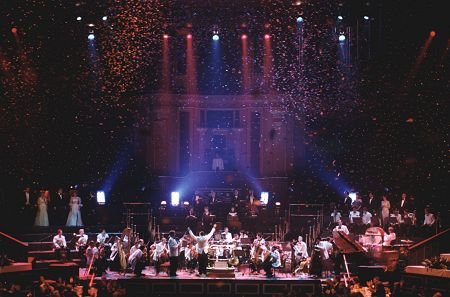
Wolverhampton quite extraordinary put on a big production every year – Gilbert & Sullivan kind of thing. Plus there were the end of term sports days when the orchestra would play. This all gave us encouragement to keep going.

Find people at your same level to play with and have a like mindset. You can spur each other on. Any chance you can find to show off your skills will build your confidence. Getting in front of audience, it doesn’t have to be perfect.

Just find people who are really committed.

Birthdays, local community groups, parties and so on all teach you to be in the moment.

”Find people at your same level to play with and have a like mindset. You can spur each other on. Any chance you can find to show off your skills will build your confidence. Getting in front of audience, it doesn't have to be perfect.

Henry ThomasMusician, producer and recording artist.

They have to play through and not stop and go back for another try.

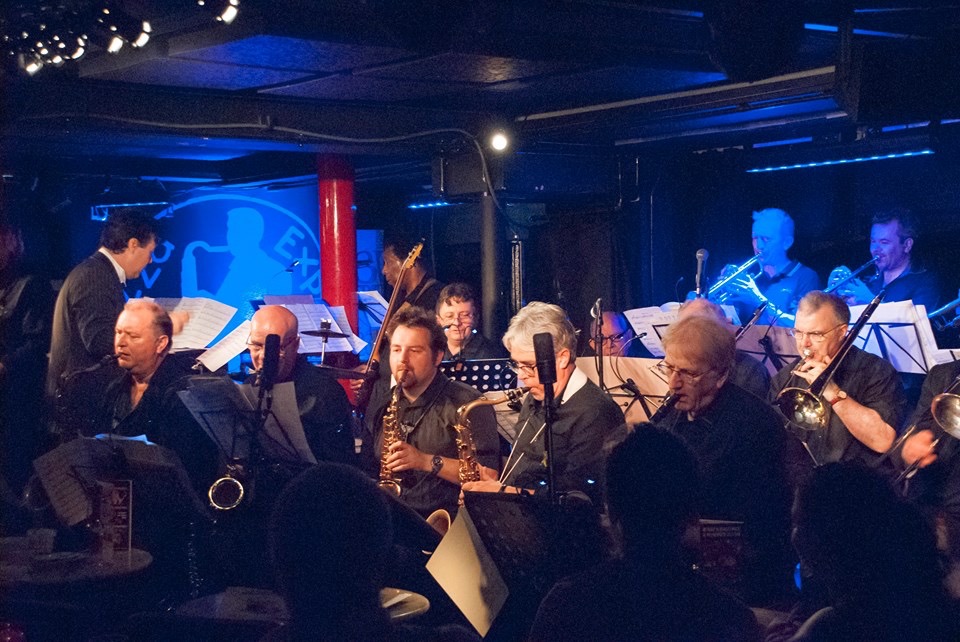
Exactly. Follow artists you like and listen to listen to their live music and you will see variations from the recorded version. It is ok not to be perfect live. Recovering from the mistake and entertaining people is more important. I was a house musician at Ronnie Scott’s for 8 years and the energy in that place was incredible.

Pick what inspires you as well and don’t worry about the genre. It can be just learning the verse of the something you like and working on that.

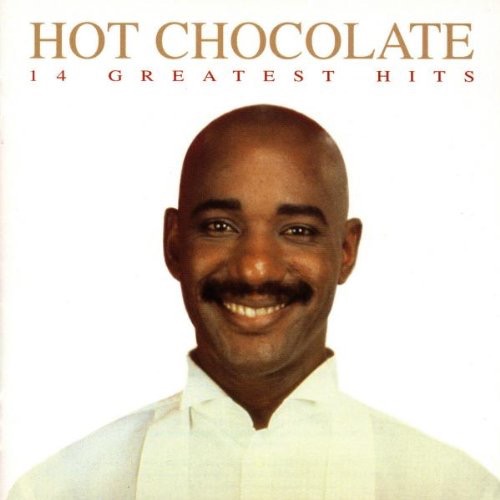
I was curious what Henry is up to in lock-down. Normally, he would be on the stage some where with Hot Chocolate. What are you working on now?

Lately I am doing more remote sessions. I recently recorded the bass lines for a latin pop track.

I also did a strings arrangement for a piece. Creating arrangements is something I enjoy, I don’t have one type of music.

Music really is his Henry’s first language.

About Henry

Henry produced and recorded a lot of the music in staging.weareapexcreative.com and is passionate about helping new musicians progress.

Nick Gilmore The Jazz Adventurer

About Nick

Nick Gilmore is a keyboard player and works as freelance session musician and arranger. He is currently working on his new album and we have the privilege of getting to hear some of his first finished tracks and chatting to him about his music journey. He was with Odyssey Soul for 5 years back in the 80’s and has since worked with some really big names such as; Loose Ends, Eban Brown’s Stylistics, Ronnie Wood, Mick Taylor, Bernard Folwer, Emmanuel Jal and was on The Blues Brothers Official Tour.

You have been playing with Odyssey for a while now, tell us about that.

Yep I’ve been regularly touring with Odyssey for a while now. We’ve played shows alongside artists like Chic, UB40, Shalamar and Billy Ocean. The songs are really from the hey-day of 80’s New York production….Inside Out and Going Back To My Roots are two of my favourite songs to play, they have some absolutely classic vintage synth parts to explore.

Looking back 80’s music always brings in mind a certain new age sound but really there was a lot going on then with artists like King Sunny Adé, Ska and a real mix.

I really love most styles of music which focus on improvisation and groove.  I’ve always been fascinated with how African rhythms have fused with early classical European harmony. So I listen and play a lot of Brazilian music (samba, Bossa nova, Partido alto, Choro, Brazilian funk), Cuban music (salsa, afro-cuban jazz, Charanga) and Trinidadian Calypso.

How has this influenced your music direction?

Playing regularly with Odyssey was a big change in my career, which started about 5 years ago. Before that i was sessioning in so many different bands, which was fun, but a lot of hard work, as I always had a new set of songs to learn! Playing with the same collective of musicians is really rewarding, as you get to know each other like family, and really build a unique sound as a band.

With lockdown now in place what are you working on now?

I’m halfway through my own first album, which has been a long time coming. It’s a real challenge making everything yourself- the melody, lyrics, groove, general arrangement, but a very fulfilling experience. I’m also working on some Brazilian tangos and choros on piano. It’s very close to practicing western classical music in ways, but has it’s own feel and unique rhythms, and is great for technique.

This sounds like a really exciting project.

I’m really excited to finish the first album under my own name. It’s long overdue! The tracks that i’m working on are quite old school in the way I’ve written and arranged them- it’s all using live instruments, rhythm section/vocals and a horn section. I’m very lucky to know some of the best session musicians in London, who’ve all put their unique personalities into the project. I’ve had Sulene Fleming (Brand New Heavies, Incognito), Richard Bailey (Bob Marley, Steve Winwood) and Heidi Vogul (Cinematic Orchestra), to name just a few featured artists. The concept of the album is to eventually have ten songs with ten different singers…the genres are quite varied, from samba to soul and various African styles, but I think the consistency of the sound will come from the way the band connect across all tracks.

What was it like for you to learn music?

It definitely wasn’t a straightforward route for me. I was completely self-taught until the age of 20, when I enrolled for a jazz degree at Middlesex University. A lot of what I learnt is from listening to and playing with records, rather then in a classroom or with a teacher (in the academic sense of the word). I think this approach really helped me find my own sound and style. I also learnt a lot from playing regularly with some of the best musicians playing around London, recording all my gigs with them and listening back, working out what made their sound so special. I’m still learning everyday, and I never get tired of getting up in the morning and heading straight into the studio.

What were the hardest part about learning to play music for you?

Definitely going back to my last point of not rushing the learning process. Also, when playing in a group, it took me a long time to learn to really listen to all the instruments at once, not just myself….really hearing what the bass player was suggesting or how the drummer was phrasing on their snare.

You started off really young in your music career. How did you manage during those early gigs?

When I was 16 I got a few gigs playing with a big band around London. The problem was I couldn’t read music so well at that point, and this was pretty difficult material, each songs had about 24 pages to turn! But I had a good ear, so I managed to somehow scrape my way through it. I’m not sure if they all realised that I couldn’t read, but it certainly gave me motivation to learn!

Was there anything you wish you had known then?

I would have liked to have known how to practice, how to use my time most effectively and have a regular practice routine. For example, I used to sit and practice one thing for maybe 1 or two hours, now I would rather practice six things for 20 minutes each, in a really structured way (and with plenty of tea breaks!).

Connecting with the music 

We think the same as Nick

“my last point of not rushing the learning process. Also, when playing in a group, it took me a long time to learn to really listen to all the instruments at once, not just myself….really hearing what the bass player was suggesting or how the drummer was phrasing on their snare.”

Do you have any tips you would share with other people practicing out there and struggling alone?

Take learning in baby steps. When I was starting I wanted to learn everything too quickly and was too eager to see constant improvement. Then I learnt to just try improve a little each day, not to rush the process, and found I gained far more this way. I would also say discipline in practising is really important. Try to have a plan what your working on over the course of a few weeks, don’t just sit down and noodle over your instrument and play things which are already easy for you- challenge yourself! The last thing i’d suggest is, find a great musician in your local community. Go to their gigs, ask them questions, and try and figure out why their playing works.

”"just try to improve a little each day, not to rush the process"

NickThe Jazz Adventurer

What attracted you to choosing to play the keyboards?

Choosing piano/keyboards was really more fate then design for me. I got a keyboard as a present when i was 8, and since there weren’t any other instruments around the house, it just seemed natural, I didn’t think much about it until I was quite a bit older. Nowadays I like playing other instruments too, I feel like this really improves my all around understanding of music, but I know i’ll always be a keyboardist/pianist at heart!

What were your career highlights?

Travelling the world and seeing places I would have probably never seen otherwise. In terms of gigs….sharing the stage with an all star group of Ronnie Wood, Mick Taylor and Bernard Fowler was a big highlight. The Rolling Stones were one of my favourite bands growing up, so playing with those guys was really special.

Any big inspirations now?

I’m a huge fan of Robert Glasper. I love how he’s taken traditional jazz language and given it a contemporary twist, really combining elements of swing/neo soul and hip-hop to make something fresh and distinctive. I think it’s a really good example of music adapting itself to stay relevant.

If lockdown were lifted tomorrow and this was all a bad dream where would you go for your next Jazz adventure.

I often go to visit Valencia in Spain, where I lived for a few years. The gypsy communities there regularly put on flamenco shows, it’s some of the most incredible and expressive music I’ve ever come across.

Looking forward to following more of your adventure.

Tony Qunta & Talking About Taboos

Tony Qunta

An amazing array of skills

  • Toneheadz Band leader
  • Guitarist
  • Vocalist
  • Electric Violinist
  • Keyboard Player
  • Composer
  • Producer

About Tony

I was really interested to talk about taboos with Tony. He likes to break the genres and not fit into a mould. This really resonated with me as I mix classical painting, digital photography and tech with design. It seems counterintuitive to me to specialise. Limiting not just what interests me but in developing skills, knowledge and ideas.

Tony has played so many instruments to call him a guitarist or a musician of any one type is too narrow.

Tony has worked for a considerable number of years freelance, expanding his playing styles from rock and blues into jazz, jazz/rock, funk, reggae and world music, including a stint in the early 1980’s with an original three piece band ‘A Minute Passed’ (with virtuoso bass player Roger Carey and drummer Mark Thirsk) where he used guitar synth extensively.

Tony plays in a trio known as Toneheadz along with Chas Maguire (bass) and Roger Batting (drums/percussion). Their music has been described as an “exhilarating blend of rock, funk, blues and jazz fusion”.

The first thing that peaked my curiousity was the title for his album ‘Taboo Guitar’. I knew there had to be a reason.

Taboo as in breaking taboos. Tony finds this amusing and mixes styles like an alchemist.

Putting an instrumental solo in a pop record can be amusing,  entertaining and a dig at unspoken rules. The big ubiquitous guitar solos of 70’s rock bands and how these are not found in other music genres.

The album itself and the pieces themselves a bit of a hybrid of lots of different things. There may be a Jazz sound for example but it doesn’t comply with all the conventions of Jazz. It is a style that doesn’t fit into a style.

Taboo

Tony Qunta

After listening to Tony and his love of all music and how he is able to go seamlessly from one style to the next and blend them together I had another look into his album. Its a recently released album of 12 instrumental tracks.

The melange of styles is there from Spanish style guitar sounds, Jazz Fusion, to more ethereal tracks like Floating with a beautiful piano intro and Tony’s amazing guitar virtuoso.

Buy album from £7.50

Tony has one of the broadest ranges of musical taste of anyone I have met but also has some core current influences.

When I asked Tony about his influences in music he wasted no time in listing off some amazing artists. One name that kept getting mentioned the more we talked was Jimi Hendrix. As a teenager Jimi Hendrix was who inspired him to pick up the guitar. Tony up until that point had been studying classical piano since the age of 8.

He admits he held off from doing it because his brother was studying the guitar and it was ‘his thing’. Before finally succumbing to his desire to play the guitar he moved to drums and even the base forming a band with his brother in which he played the base. This was about the age of 13.

Tony’s depth of music knowledge is impressive. He is live a walking encyclopaedia of music.

When I asked him to cast his mind back to what attracted him to the guitar after playing piano, drums, bass and the violin it was the sound. A lot of guys say it was the girls chasing the guitar player. For Tony it was the sound. The sound more precisely of Jimi Hendrix’s guitar played loud. Tony explained to me how the guitar and the amp become one instrument when played loudly. They work as one and the sound changes. It records differently when played at a higher volume.

The other differences were even more subtle and how playing a different type of guitar in a style of music can change. Its back to breaking those taboos again.

The alchemy of these different combinations is all about experimentation.

Tony’s recommended tracks:

  • Lila’s Dance (Maha vishnu Orchestra)
  • Crystal Planet (Joe Satriani)
  • Hamburger Concerto Pt 2 (Focus)
  • Questions (Allan Holdsworth)
  • Spanish Castle Magic (Jimi Hendrix)
  • Lifescape (Chick Corea)

Unexpected finds

Until talking to Tony I never realised there were so many unspoken rules in music. He pointed out that almost every big song in the 70’s had a guitar solo and this is never done out side of rock. Pop music doesn’t have this. Likewise he said songs can have a Jazz sound but still not fall in the category of Jazz. His own album ‘Taboo Guitar’ sometimes gets classified as Jazz when it is really a collection of pieces that break the taboos.

Play the style of music you want to play. Plus do not be afraid of experimentation and trying new things.

I told Tony how I could not get into my ‘music lessons’ as a young student. It was ‘Mary had a little Lamb’ and scales. Tony who has done a lot of teaching in the past said that I should have been asked to play something I wanted to play and in the style I liked. This would have given me the motivation and the drive to play it.

All I can remember is 6 months of Mary had a Little Lamb when like Tony the sounds I was hearing were those 70’s rock songs and of course Stairway to Heaven.

“Motivation is very important” “I never had this problem because I knew what I wanted to play and went for it”.

It was a big revelation for me talking to Tony and I wish I had him as my music teacher. It wasn’t that I didn’t have the passion it was that my passion was killed. Talking to other that have had similar experiences it is clear the right teacher can also make a huge difference. The passion needs to be kept alive and Tony has so much passion that I can tell he is a great teacher.

Tony, “nothing was going to stop me”. At Tony’s boarding school the music teachers frown upon rock music but they let Tony and his school friends use the music study to jam together. They were free to experiment in a school known for ‘teaching discipline and rigorous academic standards’.

This may explain the different perspectives Tony has. He clearly still loves classical music. When I asked him what he was working on. It was a 17th Century piece written for the lute.

Keep breaking the taboos.