
About “Magic” Henry Thomas
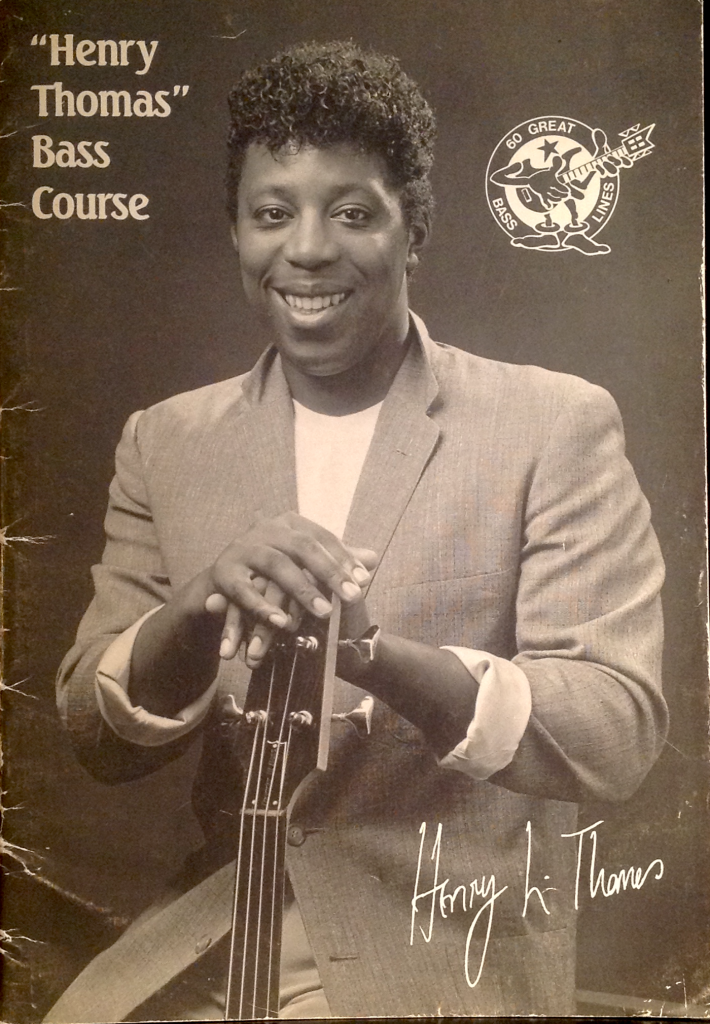
Henry Thomas is a musician who plays electric, fretless, double bass, guitar and piano based in London who has been active on the music scene since the early
Eighties. He started off as a classical viola player in the Wolverhampton and Birmingham Youth Orchestra before embarking on a teacher-training course at Trent Park, Middlesex Polytechnic Cockfosters, studying Music and Education Psychology.
Whilst playing in student bands and attending all the union bar concerts he discovered a passion for Folk, Rock, Soul and Jazz creating the foundation which allowed him to begin playing in west-end shows, recording sessions and touring live with established artists and play with a band soon after leaving college.
Eventually this led to a music program on the BBC called Rockschool which he co-presented with Deirdre Cartwright on guitar and Geoff Nichols on drums about playing in a band.
The program is still popular and Henry remains active as an all round musician and record producer on the music scene.
Henry, you are not new to Jammin Player are you?
No. I wrote the music and did the tracks for some of the music in the player. It was a lot of fun recording it. Plus the transcriptions for the music and the music notes.
How did you get interested in being a musician?
With a 5 minute walk from my house was a Church of England, Holy Trinity and I joined as a choir boy. I was singing Bach chorals & Elgar. Eventually I started earning a little bit pocket money singing at weddings and similar events on weekends and on school holidays. Mostly traditional hymn repertoire. But around us were the music clubs. The radio was playing pop and Beatle songs. I was very open to every type of music. So I would sing a bit of whatever popped into my head. It seemed normal to me to enjoy everything from heavy rock to Caribbean to religious. I was absorbing all of that as a kid. I dreamt to play with a band.
How important was a having a dedicated music teacher to you?
Very. Although the quality is persistence. I wanted to play the violin and the music teacher Mr Powell asked me what my music score was. I said half. He said not good enough and maybe I wasn’t musical.
But I knew better.
I asked every few weeks and I practiced. I was playing the viola my mum bought me. My two friends were the same. So I support from them.
Lessons alone doesn’t mean you are guaranteed to do well. Many give up.
I had music class and they were 30 of us in that class. It was a deprived area and a small school covering 6-11 primary. But the music class was good.
We had really committed teachers and a good pass rate for grammar schools. Half the kids went on to grammar school. 2,000 streams for one year with time tables and uniforms.
I went on into one with my 2 best friends and it was there we ended up in Mr Powell’s music class.
If some thing is important and you put a lot into it you can eventually triumph.
Many give up too early. They assume they are not talented enough. We practiced a lot and when we eventually got in to Mr Powells group we caught up with the older players within a year. We became the youngest lead players.
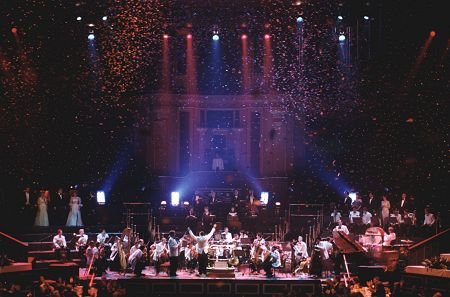
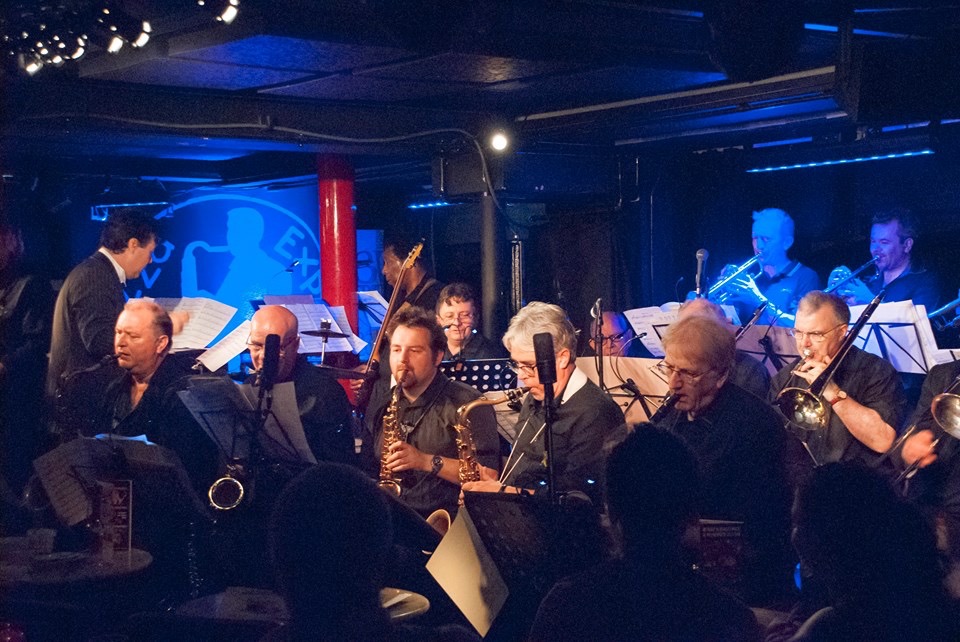
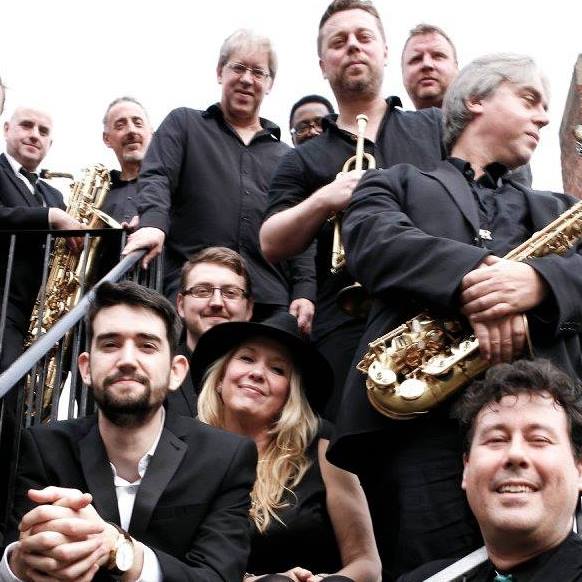
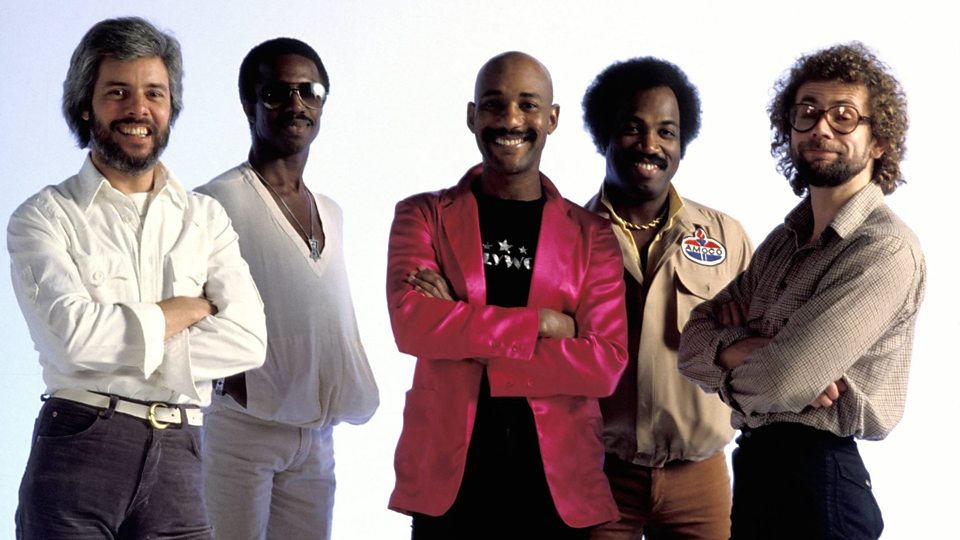
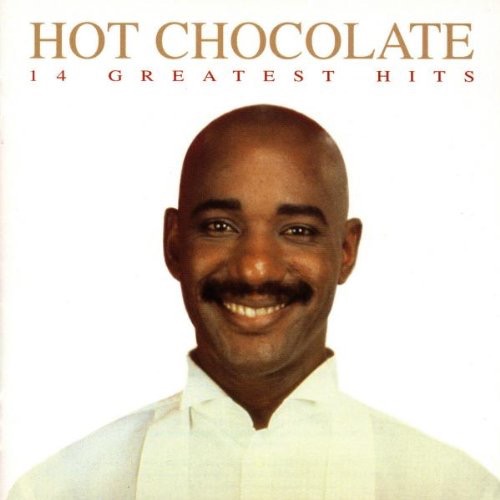
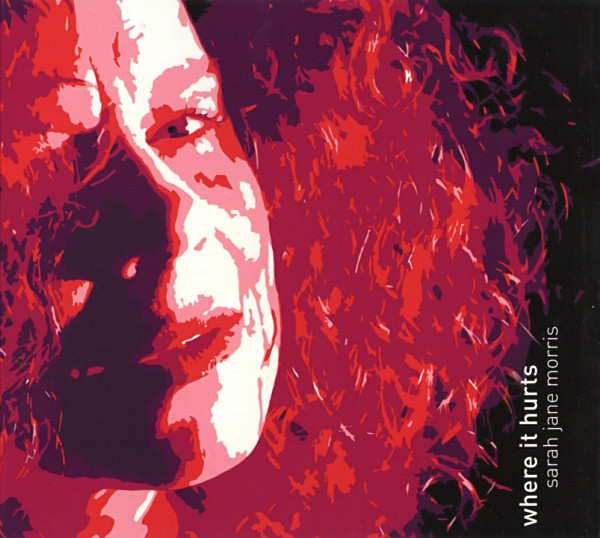
A selection of the artists Henry has worked with.
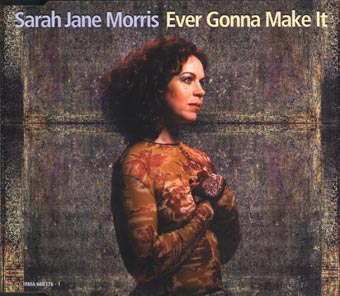

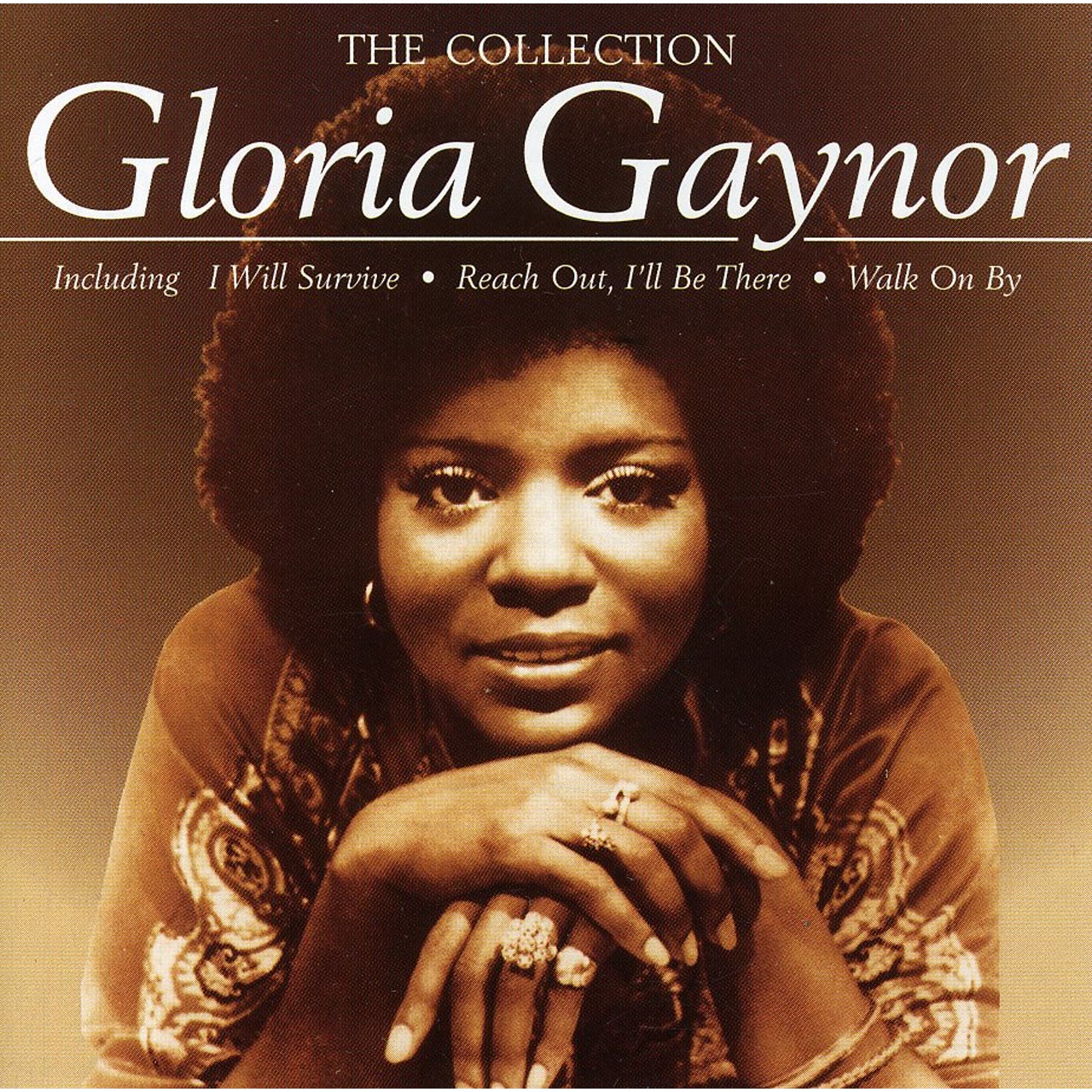
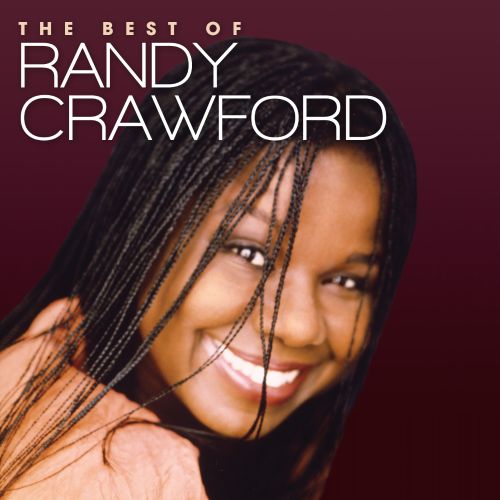

Was there a turning point when you moved from classical to rock?
At about 13 or 14 I asked my mum for an acoustic guitar. My two friends and I started playing Beatles songs. Mr Powell let us use the music room and gave us carte blanche to play what we liked even though it went against the agenda.
We were in this unbelievably academic school playing unacademic music. The teachers didn’t get a lot of it. It wasn’t what they were interested in but they let us use the room and play it anyway.
But it was hugely popular. We even got a couple gigs. Nothing serious but it was cool. It was a challenge to get good grades and not get too distracted by the music but I got an unconditional offer to Leeds music college. I got a degree in music with Middlesex University in Trent Park.
The first language and the first music of man
Henry gets excited talking about music. He believes that man kind used music first to communicate and then vocalisations became more about distinct sounds. This is not without some some scientific theory as well. A lot of languages have a ‘sing song’ quality to them. The tone of some ones voice gives clues to mood often overshadowing the words and rendering them meaningless.
Henry, “your voice is your instrument, everyone can sing”. I tell him about my experience singing for Nile Rogers and no I cannot sing but I was asked and there were tickets to see the Police in concert so I sang. Nile said nothing after and I never asked. Thought I would be better off not knowing the answer.
Henry. “its also about song choice and practicing to get it right. But there is a tone in everyone’s voice and a way that certain words have an inflection in them. Whether what the person says ends on a high or a low note creates meaning. There are notes and a range in people’s voices. Monotone voices are the least pleasant to listen to.” There are benefits to play with a band.
The dynamics, the pitch happens without fail. Music is pre-language and like bird song. If you play a song even if you don’t listen to the words you can still work out what kind of song it is. Music can be understood by anyone. It is universal.
The first language and the first music of man
Henry gets excited talking about music. He believes that man kind used music first to communicate and then vocalisations became more about distinct sounds. This is not without some some scientific theory as well. A lot of languages have a ‘sing song’ quality to them. The tone of some ones voice gives clues to mood often overshadowing the words and rendering them meaningless.
Your voice is your instrument, everyone can sing.
I tell him about my experience singing for Nile Rogers and no I cannot sing but I was asked and there were tickets to see the Police in concert so I sang. Nile said nothing after and I never asked. Thought I would be better off not knowing the answer.
Its also about song choice and practicing to get it right. But there is a tone in everyone’s voice and a way that certain words have an inflection in them. Whether what the person says ends on a high or a low note creates meaning. There are notes and a range in people’s voices. Monotone voices are the least pleasant to listen to.
What tips would you advise when people are practising?
A few words of advice on improving your instrumental playing to play with a band.
Copy the things you hear from your favourite musicians and when you think you’ve got it right, record yourself playing those parts with a click track.
Listen back to the performance carefully with no distractions,
- Are you in time?
- Are the notes clearly articulated?
- Do you have a good sound?
Once you have perfected the part, play it in every key and position all over the instrument.
You have played in lots of bands and worked a lot as a session musician showing up to record on short notice and jam. This for a lot of musicians would seem impossible.
The recording studio is not the place to find out you cannot play the piece from start to finish without any mistakes. Every flaw gets amplified. Its expensive. Back in the day companies used let artists have a lot of time and they were used to ‘refine the music’ and even some songs were written in the studio. Execs would spend money on 10 artists for every one hit they expected to get. Now that doesn’t happen it has to be tight.
When you play with a band don’t just focus on yourself, try to listen to the other players as well. It’s how it all fits together that determines wether the music sounds good or not.
- Are you all meshing together nicely?
- Can the singer really sit comfortably on top of the music with freedom?
- Be prepared to change or simplify your idea if things are not working.
Bands and musicians need to be prepared. Everyone needs to know they part perfectly.
Before you go into a recording studio make sure each member of the band can play their own part perfectly all the way through with a click track by themselves. Yes you heard me correctly.
The recording studio is an unforgiving place, a giant magnifying glass exposing any issues with your playing, timing, articulation and tone quality, so be prepared, it will save lots of embarrassing arguments whilst the recording engineer is trying to fix everything. Time in a good studio is very very expensive!
The key to sounding good is timing, sound , articulation and taste.
The old days of music recording were interesting times. You must have some great stories.
*laughs* Some times there was a lot of waiting around. Five days of showing every day until finally the artist shows up. Some times it was fast. I went in and played my piece and was done within an hour. You never know what to expect when you play with a band.
Sounds like you best advice is to be prepared.
Bands get away with a lot when playing live. They are feeding off the energy of each other and the crowd. The sound system and the acoustics plus the background noise of people clapping, jumping, dancing, singing, yelling whatever all mask the nuances of the sound. So you don’t know that there maybe a couple timing issues or some bad notes. But in a studio every instrument is isolated and each mistake is magnified. Time is a luxury now that people don’t have. Not like they used to. I have seen bands fight and argue in the studio over who is the weakest and cannot do their job properly.
The mood in the studio becomes much more serious.
What tips would you give to musicians wanting to improve their craft?
I’d tell them to try to perform and play with a band on a regular basis. The energy from playing together in front of an audience will cover minor mistakes. The will quickly overcome nervousness. They can start with an open string un sophisticated piece that everyone can play. Success in small things. Playing for friends.
Wolverhampton quite extraordinary put on a big production every year – Gilbert & Sullivan kind of thing. Plus there were the end of term sports days when the orchestra would play. This all gave us encouragement to keep going.
Find people at your same level to play with and have a like mindset. You can spur each other on. Any chance you can find to show off your skills will build your confidence. Getting in front of audience, it doesn’t have to be perfect.
Just find people who are really committed.
Birthdays, local community groups, parties and so on all teach you to be in the moment.
”Find people at your same level to play with and have a like mindset. You can spur each other on. Any chance you can find to show off your skills will build your confidence. Getting in front of audience, it doesn't have to be perfect.
Henry ThomasMusician, producer and recording artist.
They have to play through and not stop and go back for another try.
Exactly. Follow artists you like and listen to listen to their live music and you will see variations from the recorded version. It is ok not to be perfect live. Recovering from the mistake and entertaining people is more important. I was a house musician at Ronnie Scott’s for 8 years and the energy in that place was incredible.
Pick what inspires you as well and don’t worry about the genre. It can be just learning the verse of the something you like and working on that.
I was curious what Henry is up to in lock-down. Normally, he would be on the stage some where with Hot Chocolate. What are you working on now?
Lately I am doing more remote sessions. I recently recorded the bass lines for a latin pop track.
I also did a strings arrangement for a piece. Creating arrangements is something I enjoy, I don’t have one type of music.
Music really is his Henry’s first language.
About Henry
Henry produced and recorded a lot of the music in staging.weareapexcreative.com and is passionate about helping new musicians progress.


